logo
منزل أخبار

أخبار الشركة عن Overheating Solutions: Maintaining High-Intensity UV Output Without Warping Thin Plastics

شهادة
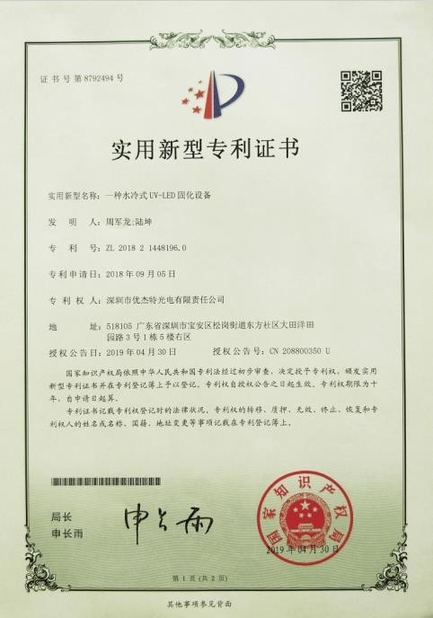
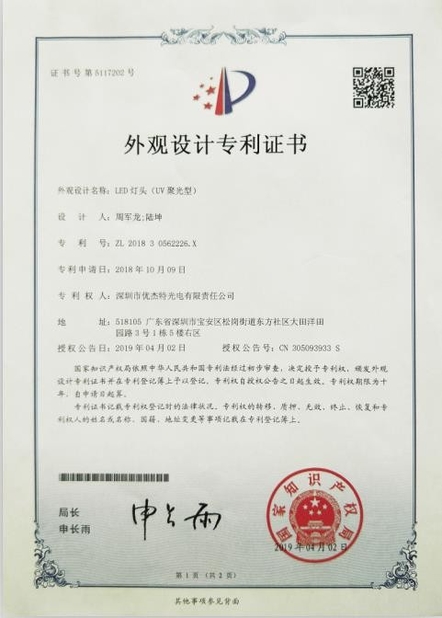
الصين Shenzhen Super- curing Opto-Electronic CO., Ltd الشهادات
زبون مراجعة
لدينا تعاون لفترة طويلة ، إنها تجربة جيدة.

—— مايك

نأمل بصدق أن نتمكن من التعاون في المرة القادمة قريبًا.

—— بوك

أنا أحب مصباح leduv الخاص بك كثيرًا فهو محمول باليد والتشغيل سهل للغاية.

—— كريستوف

مصباح الأشعة فوق البنفسجية يحسن بشكل كبير من كفاءة آلة طباعة الشاشة لدينا، إنه رائع!

—— ألفي

جودة وحدة المعالجة بالأشعة فوق البنفسجية ممتازة؛ لقد استخدمتها لأكثر من عام دون أي مشاكل.

—— أوليفر

هذه المصباح مثالي لتجفيف طباعة الشاشة الحريرية على عبواتنا. أحبه.

—— إيثان

مصابيح التصلب بالأشعة فوق البنفسجية من هذه الشركة مستقرة بشكل لا يصدق. نستخدمها في خط التوصيل الخاص بالشاشة الملموسة، وتثبيت التصلب مثالي.

—— ديفيد

لقد قاموا بتخصيص الحل المثالي للطاقة فوق البنفسجية 365 نانومتر لخط التصنيع الضوئي الآلي لدينا.

—— (إيلينا)

ابن دردش الآن
الشركة أخبار
Overheating Solutions: Maintaining High-Intensity UV Output Without Warping Thin Plastics
آخر أخبار الشركة Overheating Solutions: Maintaining High-Intensity UV Output Without Warping Thin Plastics
Overheating Solutions: Maintaining High-Intensity UV Output Without Warping Thin Plastics

In the manufacturing of electronics, medical devices, and flexible packaging, thin plastics such as PET, PC, and PVC are widely used due to their lightweight and versatile properties. However, when it comes to UV bonding or coating, these substrates present a major technical challenge: thermal sensitivity.

Traditional high-intensity UV curing lamps often generate excessive infrared (IR) heat. When exposed to this heat, thin plastic films or molded parts can easily warp, shrink, or discolor, leading to high reject rates. For manufacturers, the ultimate goal is finding a way to deliver high-intensity UV output for complete curing without compromising the structural integrity of the substrate.

Here is how advanced UV technology provides the perfect cooling solution.

The Root Cause: Why Standard UV Curing Warps Plastics

Most standard UV curing systems, particularly traditional mercury arc lamps, emit a broad spectrum of light. Only a fraction of this light is the ultraviolet wavelength needed for curing; the rest is infrared radiation (heat). When a high-dose UV cure is required for fast production lines, the accompanying heat builds up rapidly on the surface of thin plastics. If the temperature exceeds the material's glass transition point (Tg), deformation is inevitable.

Engineered Solutions for Cool UV Curing

To maintain a high-intensity UV output while keeping the substrate cool, manufacturers must look beyond standard off-the-shelf equipment. Specialized UV LED technology and advanced thermal management are the keys to solving this puzzle.

  1. Shifting to Monochromatic UV LED Systems

    Unlike mercury lamps, UV LED curing systems emit a narrow, targeted wavelength (such as 365nm, 385nm, or 395nm) without emitting any IR wavelengths. This "cold light source" drastically reduces the heat transferred to the substrate. Manufacturers can achieve the exact peak irradiance (W/cm^2) needed for rapid polymerization while keeping the surface temperature significantly lower.

  2. Dynamic Liquid-Cooling Architecture

    For ultra-high-intensity applications, even LED chips generate internal heat that can radiate outward if not managed properly. Implementing a high-efficiency water-cooled UV LED system ensures that heat is extracted from the light engine instantly. This maintains consistent UV intensity during continuous operation and prevents heat from radiating down onto the delicate plastic parts.

  3. Precision Optical Design and Reflector Geometry

    By customizing the focal length and using specialized quartz windows or cold mirrors, the optical path can be optimized. This ensures that the UV energy is perfectly focused onto the curing zone without creating "hot spots," distributing energy uniformly across thin films or 3D molded plastic edges.

Boosting Throughput and Product Quality

By adopting a tailored, low-temperature UV curing solution, factories can eliminate the bottlenecks caused by warped parts. Not only does this reduce material scrap rates to near zero, but it also allows for faster conveyor speeds and seamless integration into automated assembly lines.

As a dedicated UV curing lamp manufacturer, we specialize in customizing high-intensity, low-temperature UV LED systems designed specifically for heat-sensitive substrates. Contact our engineering team today to optimize your curing process.

حانة وقت : 2026-07-18 10:24:07 >> أخبار قائمة ميلان إلى جانب
تفاصيل الاتصال
Shenzhen Super- curing Opto-Electronic CO., Ltd

اتصل شخص: Mr. Eric Hu

الهاتف :: 0086-13510152819

إرسال استفسارك مباشرة لنا (0 / 3000)